
Winter Sprinkler Damage: 5 Signs Your Lines Didn’t Fully Winterize (and What to Do Now)
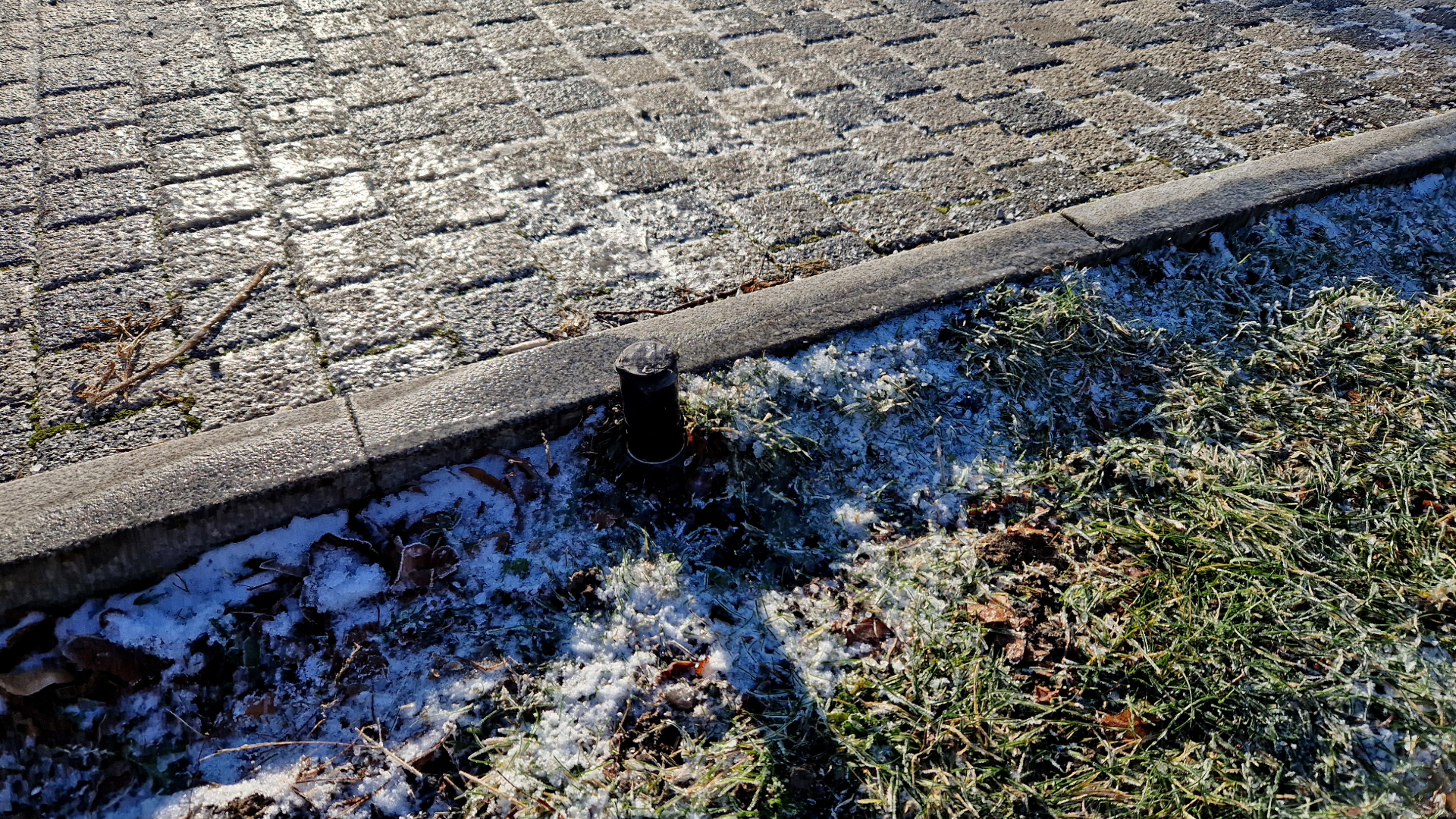
Illinois winters are anything but predictable. One week brings bitter cold, the next a thaw, and those sudden temperature swings can spell trouble for your irrigation system. Even if you winterized your sprinkler lines last fall, mid-winter freeze/thaw cycles can reveal hidden vulnerabilities you didn’t know existed.
Cracked pipes, leaky fittings, and damaged backflow preventers are more common than you thin, and they usually make their appearance right in the middle of winter, long before you’re thinking about spring landscaping. Spotting sprinkler winter damage early can save you from bigger repairs later.
So, how can you tell if your system didn’t fully winterize? Let’s take a closer look at what causes frozen sprinkler pipe issues mid-season, and the top five warning signs to watch for.
Why Sprinkler Damage Shows Up Mid-Winter
If you’ve noticed a soggy patch in your yard or heard strange gurgling noises from your plumbing, you might be facing a mid-winter irrigation issue. But why now?
The answer lies in ice expansion. When water is left in sprinkler lines, even just a little, it can freeze and expand, putting pressure on pipes, fittings, and valves. The initial damage may not be obvious right away. But once temperatures rise just enough to thaw the ice, even briefly, the cracks and leaks become active again.
This is especially true for components like the backflow preventer, which often sits above ground and is highly vulnerable to freezing temperatures. A single cold snap can cause the housing to split, resulting in serious backflow preventer damage.
Bottom line: even well-maintained systems can be compromised by Illinois winters, and those issues often show up when you least expect them.
5 Signs Your Sprinkler System Didn’t Fully Winterize
Here are the most common red flags that your irrigation system may have suffered winter sprinkler damage:
1. Unusual Water Pressure Drops
If you notice weak or inconsistent water pressure in other parts of your plumbing system, your irrigation lines might be the culprit. A hidden crack in your sprinkler pipes could be slowly leaking, especially when temperatures warm up just enough to thaw frozen sections. These leaks can cause subtle pressure fluctuations, an early sign something isn’t right underground.
2. Soggy or Wet Patches on Warmer Winter Days
Snow may still be on the ground, but if you notice an area of your lawn that’s unusually wet or muddy during a thaw, it could mean a frozen sprinkler pipe has cracked and is now leaking. Even small breaks can release water into the soil, and during mild stretches, these signs become more visible.
3. Cracked or Leaking Backflow Preventer
Take a look at the backflow preventer, typically mounted on the side of your home or just above ground level. If you see visible cracks, rust streaks, or dripping water, even when the system is off, it’s a clear sign of backflow preventer damage from winter exposure. This is one of the most common and costly issues we see each winter.
4. Strange Indoor Water Noises
Hearing a gurgling or hissing sound coming from your walls or basement, especially near where your irrigation line connects, can be a sign of water moving through a compromised or leaking section of the system. This is a red flag that warrants professional inspection ASAP.
5. Unexplained Spikes in Your Water Bill
Not all leaks make themselves obvious. A cracked line or fitting might be dripping underground 24/7, even in freezing temps. If your water usage suddenly increases but nothing inside your home has changed, your sprinkler system might be the hidden source.
Recognize any of these symptoms? Don’t ignore them. Taking action early can save you from major water damage, system failure, and costly spring repairs.
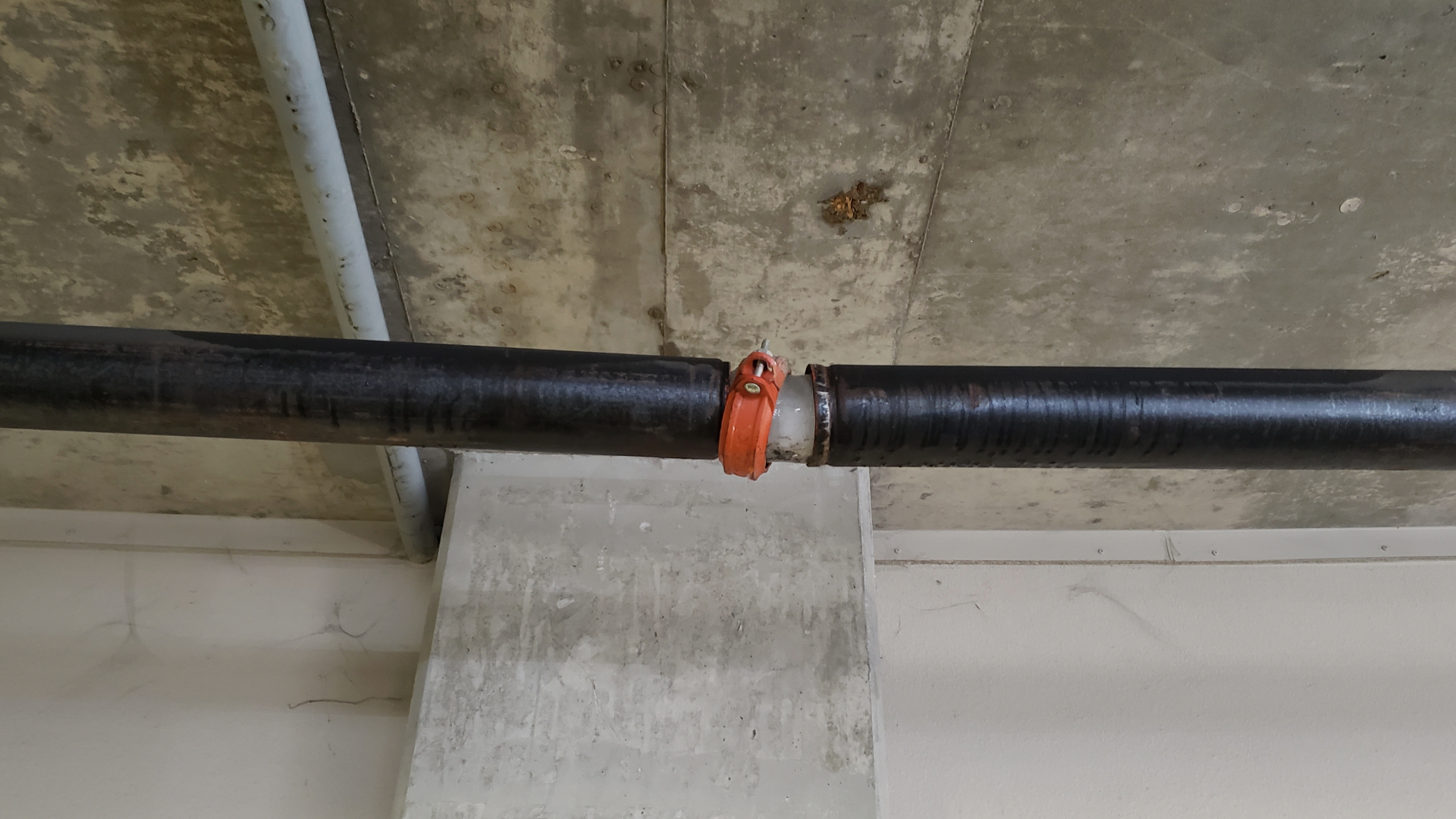
What NOT to Do If You Suspect Winter Damage
When you see signs of sprinkler system trouble in the middle of winter, it’s tempting to investigate or try to fix it yourself, but this can do more harm than good. Here’s what to avoid:
-
Don’t turn your sprinkler system back on. Pressurizing the lines can force water through cracks and cause more damage.
-
Don’t attempt to thaw pipes with an open flame or heat gun. This can be extremely dangerous and risks damaging both your irrigation system and your home.
-
Don’t assume the issue will go away on its own. A small leak now can lead to major flooding, foundation issues, or total system failure come spring.
What You Should Do Instead
If you notice any of the warning signs mentioned above, follow these steps to protect your system and your property:
-
Shut off the water supply to your sprinkler system. This prevents further water loss and minimizes pressure on damaged lines.
-
Locate and visually inspect the main shut-off valve and backflow preventer. Look for cracks, rust, or signs of leaking.
-
Contact a professional irrigation technician. A winter inspection can quickly pinpoint the issue and prevent more expensive repairs down the line.
-
Schedule a pre-spring system check. This ensures your system is safe and ready for full activation when the weather warms up.
Book Your Winter Sprinkler Inspection Today
Don’t wait until spring to discover a costly leak or broken line. If you suspect frozen sprinkler pipe damage or notice any of the signs listed above, it’s time to act.
✅ Schedule your winter inspection or pre-spring system check with American National Sprinkler & Lighting today. We’ll help you catch problems early and get your system ready for the season ahead.