
What Happens to Sprinklers in the Winter?

When the temperature drops and the first freeze rolls in, your sprinkler system could be in serious trouble if it hasn’t been properly winterized. While your lawn may go dormant and your outdoor tasks slow down, the underground network of pipes, valves, and sprinkler heads doesn’t get a break. In fact, winter is when your irrigation system is at its most vulnerable.
Understanding what happens to sprinklers in the winter can save you from costly repairs, unexpected flooding, and a delayed start to spring watering. Let’s break down what’s really going on beneath the surface during those cold Midwest months.
The Science Behind Freezing and Sprinkler Systems
At the heart of winter sprinkler damage is one simple scientific fact: water expands when it freezes.
It might seem harmless. After all, you’ve seen ice cubes grow in the tray. But when that expansion happens inside a closed sprinkler pipe, where there’s no room for the ice to go, pressure builds fast. That pressure can crack plastic sprinkler heads, split fittings, rupture valves, and even burst underground pipes.
Here’s what’s at risk:
-
PVC and polyethylene piping: These materials are flexible but not flexible enough to handle expanding ice. Even a small amount of water trapped in a low point of the pipe can lead to a full rupture.
-
Backflow preventers: Usually located above ground, these critical components are particularly vulnerable. When water inside them freezes, it can break internal parts or shatter the housing.
-
Sprinkler heads: If water is left inside the heads or risers, the freezing process can crack the plastic casing or damage internal springs and seals.
It doesn’t take extreme cold to cause damage. Even one night below 32°F with residual water in the system is enough to create pressure and fractures inside.
Common Winter Damage to Sprinkler Systems
Without proper winter preparation, sprinkler systems can suffer a wide range of damage. Some of it is obvious right away, while other problems don’t show up until you turn the system back on in spring.
Here are the most common issues we see:
1. Cracked Sprinkler Heads
Sprinkler heads often retain small amounts of water after the system shuts down. When temperatures drop, that water freezes and expands inside the nozzle or housing. The result? Cracks that can lead to leaks, poor spray patterns, or a head that simply doesn’t pop up when you need it.
2. Broken Pipes Underground
This is one of the most expensive and hardest-to-detect problems. Frozen water in your underground lines can cause the pipe to expand and rupture. The soil around it hides the issue until you see puddles or sinkholes in your lawn during the first spring watering.
3. Damaged Backflow Preventers
Backflow devices are essential for protecting your drinking water from contamination. But because they’re typically above ground and exposed, they’re also one of the first components to be damaged by cold weather. Cracks, leaks, and broken seals are common.
4. Split Valves and Fittings
Valves control water flow through your system, and fittings connect all the pieces together. If even one of these components is damaged by freezing water, your system may fail to operate at all or, worse, leak heavily when turned on.
5. Malfunctioning Controllers and Sensors
While electronic components aren’t damaged by freezing water directly, exposure to moisture and extreme cold can lead to shorts, sensor failures, or corrosion. If your controller was left running all winter without proper shutdown, you might find it glitchy or non-responsive when it’s time to start up again.
How to Protect Your Sprinkler System Before Winter
The good news? All of the winter damage we just talked about is completely preventable. With proper winterization, you can protect your sprinkler system from freeze-related issues and ensure it’s ready to go when spring arrives.
But here’s the key: it’s not just about turning the system off. True winterization involves a series of important steps done at the right time, and done the right way.
1. Shut Off the Water Supply
The first step in winterizing your sprinkler system is cutting off the water at the main valve that feeds your irrigation lines. This prevents any new water from entering the system once temperatures drop. Missing this step means water can slowly seep back into the pipes over winter, setting the stage for freezing and expansion.
If your system has a dedicated irrigation shut-off valve (which it should), that’s the one to close. For systems without one, it’s worth having a professional install it to make future maintenance easier and safer.
2. Drain the System The Right Way
Simply turning off the water isn’t enough. There’s still water sitting inside the pipes, sprinkler heads, and valves. That’s where the “blowout method” comes in.
This process uses a commercial-grade air compressor to push pressurized air through each zone of your irrigation system, clearing out any remaining water.
Why it matters:
-
It ensures that no residual water is left behind to freeze.
-
It prevents internal damage to pipes and heads.
-
It gives you peace of mind knowing your system is dry and safe for the season.
Important: This isn’t a job for a small home compressor or a DIY blowout kit. Residential equipment often lacks the pressure and airflow needed to fully clear your system. Using the wrong air pressure can also damage your sprinkler heads or fittings.
3. Shut Down the Controller and Sensors
Once the water is cleared out, it’s time to turn off your sprinkler controller for the season. This prevents it from sending signals to valves that are now disconnected and empty and helps extend the life of your timer and electronics.
Some smart irrigation controllers have a “winter mode,” which suspends programming without wiping your schedules. If you’re unsure how to properly shut down your specific controller, our technicians can handle it during your winterization service.
4. Protect Exposed Components
Parts of your irrigation system that are above ground, like the backflow preventer, valve boxes, or any exposed piping, should be insulated for extra protection.
Options include:
-
Insulation tape or foam covers for pipes
-
Insulated pouches specifically made for backflow preventers
-
Weather-resistant boxes or covers for valve assemblies
While these don’t replace full system winterization, they help add another layer of protection, especially in the unpredictable freeze-thaw cycles we see here in Chicagoland.
5. Timing Is Everything
In the Midwest, the ideal time to winterize your sprinkler system is typically mid-to-late fall, before the first hard freeze. In most years, that means scheduling service in October or early November.
Wait too long, and a sudden cold snap could catch you off guard, causing damage before winterization can be done. It’s always better to be early than late when it comes to protecting your system.
What If You Didn’t Winterize?
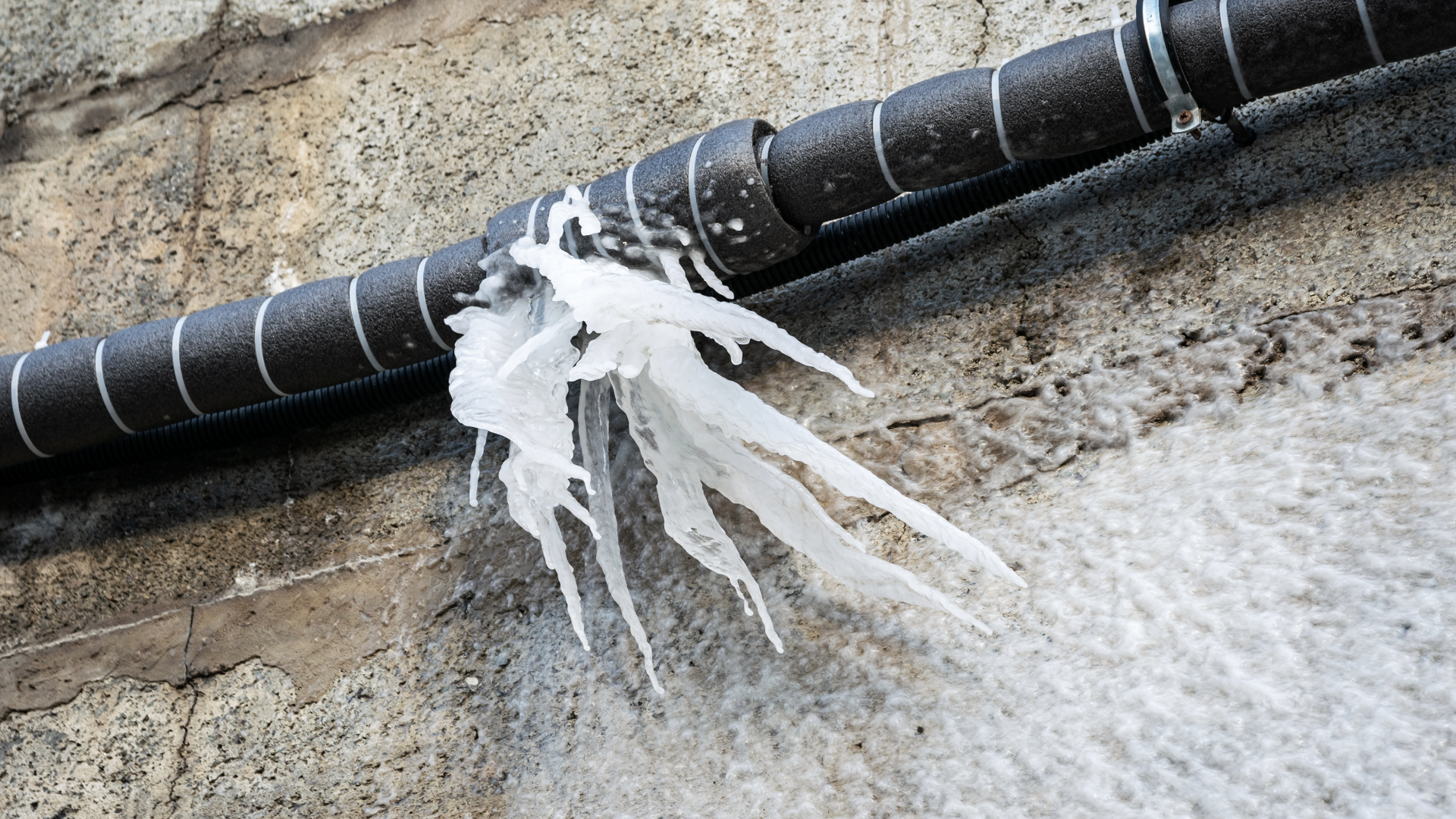
So, what happens if winter sneaks up on you before you’ve had a chance to schedule winterization or you decide to skip it altogether?
Unfortunately, sprinkler systems don’t just bounce back in the spring. If water was left inside, there’s a high likelihood of damage, even if everything looks fine on the surface.
Here’s what to watch for:
1. Leaks and Flooding
One of the most common springtime surprises is a sudden gush of water when the system turns back on. If pipes or fittings cracked over the winter, water will escape underground or worse, spray uncontrollably in your yard. Flooding, soggy patches, or bubbling areas in your lawn are all red flags that a pipe has burst underground.
2. Uneven or Low Water Pressure
If one zone has significantly lower pressure than the others, that often means a pipe has split and water is leaking before it reaches the heads. This can leave some areas bone dry and others overwatered, not to mention the wasted water.
3. System Not Turning On
If the system won’t start at all, you might be dealing with damaged valves, cracked main lines, or electrical issues with your controller caused by moisture exposure. A frozen valve assembly or sensor can prevent the whole system from operating properly.
4. Costly Repairs and Delays
Repairing freeze damage is often far more expensive than a simple winterization service. And during spring, demand for irrigation repairs spikes, so even if you’re ready to fix it, you might be stuck waiting in line behind other homeowners in the same boat.
Why You Should Trust a Professional
Winterization is not a one-size-fits-all task. Different systems, property layouts, and components require a tailored approach to ensure everything is fully protected.
When you choose American National Sprinkler and Lighting, you’re getting:
-
Trained technicians with decades of experience
-
High-powered, commercial-grade equipment
-
System-wide checks to catch any weak points before winter hits
-
Peace of mind knowing your irrigation system is in expert hands
We serve homes and businesses across the Chicagoland area and have seen it all, from simple systems to complex multi-zone landscapes. No matter the setup, we make sure your system is dry, safe, and ready for winter.
Don’t Let Winter Catch You Off Guard
The reality is simple: water + freezing temperatures = damage.
And that damage can cost you far more than the price of a professional winterization service. A little prevention now goes a long way toward protecting your investment and avoiding spring headaches.
If you haven’t winterized yet, it’s not too late, but time is running out.
👉 Schedule your sprinkler system winterization with American National Sprinkler and Lighting today.
Let us keep your system protected, your lawn happy, and your spring stress-free.