
Common Outdoor Lighting Issues That Show Up in Winter
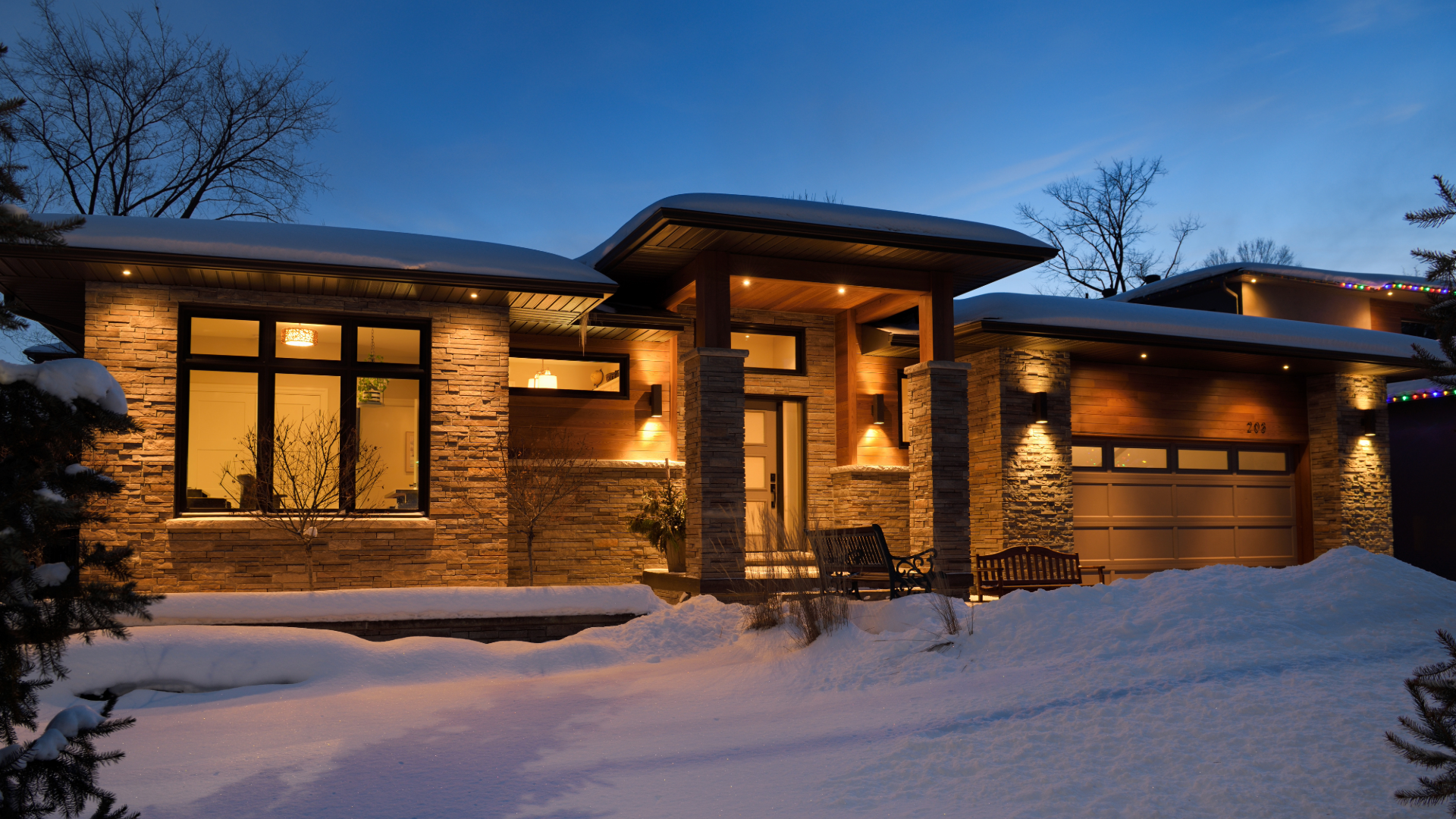
During the winter months, outdoor lighting becomes more important than ever. Shorter days, longer nights, and harsh weather conditions mean homeowners and commercial property managers rely heavily on exterior lighting for safety, visibility, and curb appeal. Unfortunately, winter is also the season when many outdoor lighting issues begin to surface.
Cold temperatures, snow, and ice can take a toll on outdoor lighting systems—especially those that haven’t been inspected or maintained recently. Identifying and addressing winter-related issues early can help prevent safety hazards, reduce the risk of costly repairs, and ensure your property remains well-lit throughout the darkest months of the year.
How Cold Weather Impacts Outdoor Lighting Systems
Freezing temperatures can significantly affect the performance of outdoor lighting systems. As the ground freezes and thaws, wiring and connections may shift, loosen, or become exposed. This movement can lead to flickering lights, intermittent outages, or complete system failures.
Moisture is another common concern during winter. Snow and ice can melt and refreeze around fixtures, increasing the risk of water intrusion. When moisture reaches electrical components, it can cause corrosion, short circuits, or inconsistent performance. Over time, these issues can compromise the reliability of the entire lighting system.
Fixture Damage Caused by Winter Conditions
Outdoor light fixtures are especially vulnerable during winter. Freeze-thaw cycles can cause fixtures to crack, tilt, or become misaligned, affecting both appearance and light coverage. In areas with heavy snowfall, fixtures may also be damaged by snowplows, shovels, or routine foot traffic.
Additionally, salt and de-icing products used on sidewalks and driveways can accelerate corrosion on metal fixtures. This not only shortens the lifespan of the lighting system but can also create uneven lighting or dark areas that impact safety and aesthetics.
Problems with Timers and Lighting Controls in Winter
Winter’s shorter daylight hours can quickly throw outdoor lighting schedules off track. Timers that were set during longer days may no longer turn lights on early enough in the evening or shut them off at appropriate times in the morning. This can leave walkways, entrances, and parking areas poorly lit when visibility is needed most.
Photocells, which rely on light levels to activate outdoor lighting, can also struggle during winter. Snow accumulation, ice, or debris covering the sensor may prevent lights from turning on automatically. In some cases, lights may stay on longer than necessary, increasing energy use and wear on the system.
Smart lighting controls can experience challenges as well. Cold temperatures and winter weather can affect connectivity or responsiveness, particularly if components are outdated or not designed for extreme conditions. Without proper adjustments, control issues can lead to inconsistent lighting and unnecessary energy costs.
Burned-Out or Failing Bulbs in Cold Weather
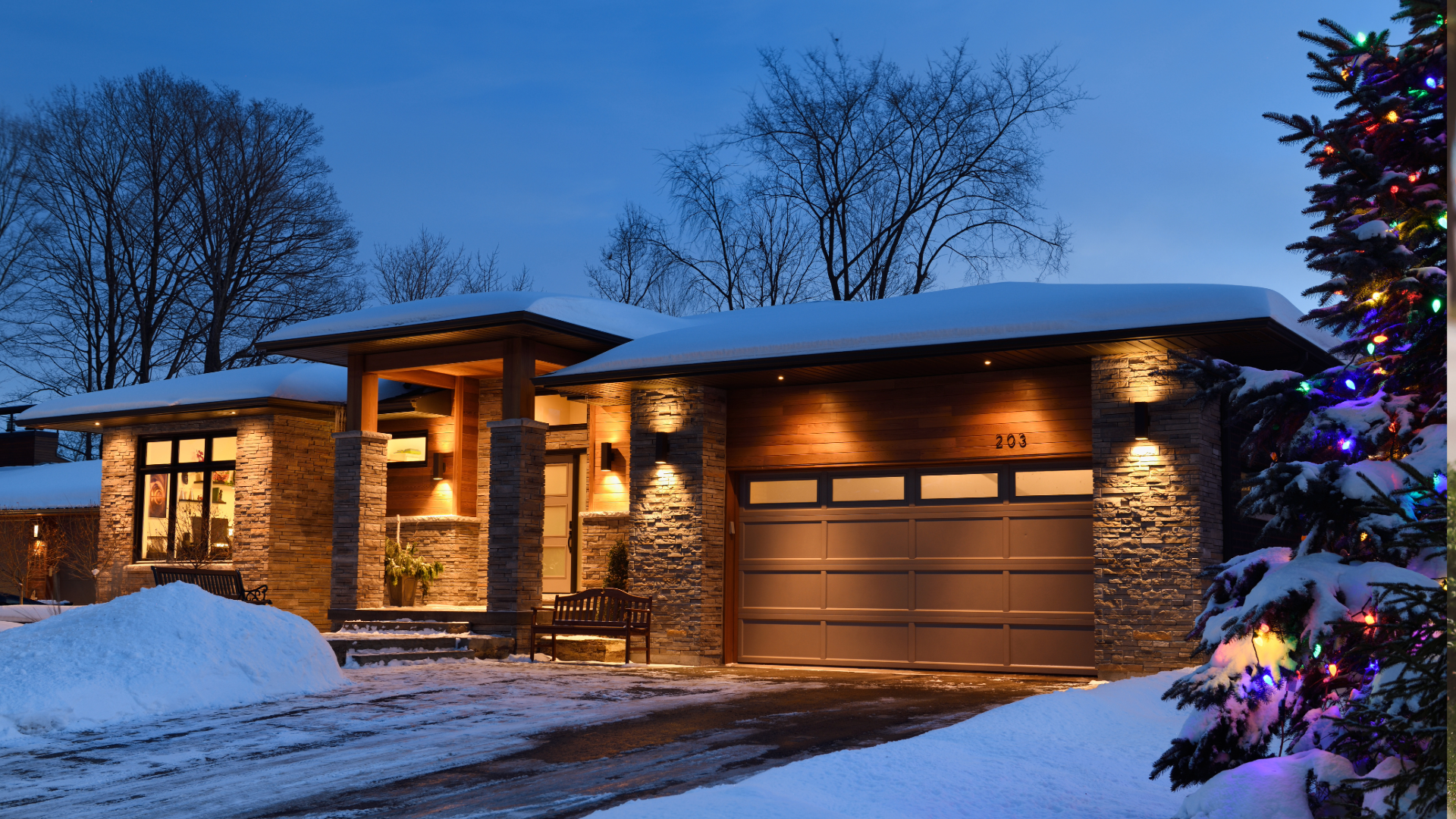
Not all outdoor bulbs perform well in cold temperatures. Older incandescent or halogen bulbs are more prone to failure during winter, especially when exposed to repeated on-and-off cycles in freezing conditions. As bulbs weaken, they may flicker, dim, or stop working altogether.
Even when bulbs don’t fail completely, inconsistent performance can create dark spots around the property. These unevenly lit areas not only detract from curb appeal but can also pose safety concerns for residents, guests, or customers navigating outdoor spaces at night.
Upgrading to high-quality LED lighting can help reduce these issues, as LEDs are designed to perform reliably in cold weather while using less energy.
How Winter Lighting Issues Affect Safety and Curb Appeal
When outdoor lighting isn’t functioning properly, the effects are noticeable. Poor visibility on sidewalks, steps, and entryways increases the risk of slips and falls—especially during icy winter conditions. For commercial and multi-family properties, this can also raise liability concerns.
From an aesthetic standpoint, dark or uneven lighting can make a property feel uninviting. During winter, when landscaping is dormant, lighting plays a larger role in maintaining visual appeal. A well-lit property looks safer, more welcoming, and better maintained, even in the coldest months.
Preventative Maintenance to Avoid Winter Lighting Problems
Many winter lighting issues can be avoided with proactive maintenance. Mid-winter inspections help identify small problems before they become larger, more costly repairs. This includes checking fixtures for damage, ensuring wiring and connections are secure, and clearing snow or debris that may be blocking light output or sensors.
Adjusting timers and control settings throughout the season is also important. As daylight hours change, lighting schedules should be updated to ensure proper coverage during peak evening and early morning hours. Cleaning fixtures and replacing damaged or aging components can further improve system performance and reliability.
Taking a preventative approach not only keeps outdoor lighting functioning properly during winter but also helps extend the lifespan of the entire system.
When to Call a Professional for Outdoor Lighting Repairs
Some lighting issues require professional attention, especially when electrical components or underground wiring are involved. Flickering lights, repeated outages, or systems that fail to turn on consistently can indicate deeper problems that shouldn’t be ignored.
A professional outdoor lighting technician can quickly diagnose issues, make necessary repairs, and recommend improvements that enhance performance and efficiency. Professional service also ensures repairs are completed safely and in compliance with local codes, giving property owners peace of mind during the winter months.
Solve Your Winter Outdoor Lighting Issues Today
Winter weather can be tough on outdoor lighting systems, but addressing common issues early helps maintain safety, visibility, and curb appeal when lighting is needed most. From cold-related fixture damage to malfunctioning timers and controls, proactive maintenance makes a noticeable difference in how well a system performs throughout the season.
If your outdoor lighting system is showing signs of trouble this winter, American National Sprinkler and Lighting is here to help. Our experienced team can inspect, repair, and optimize your outdoor lighting to keep your property well-lit and safe all season long. Contact us today to schedule a professional lighting service or winter inspection.